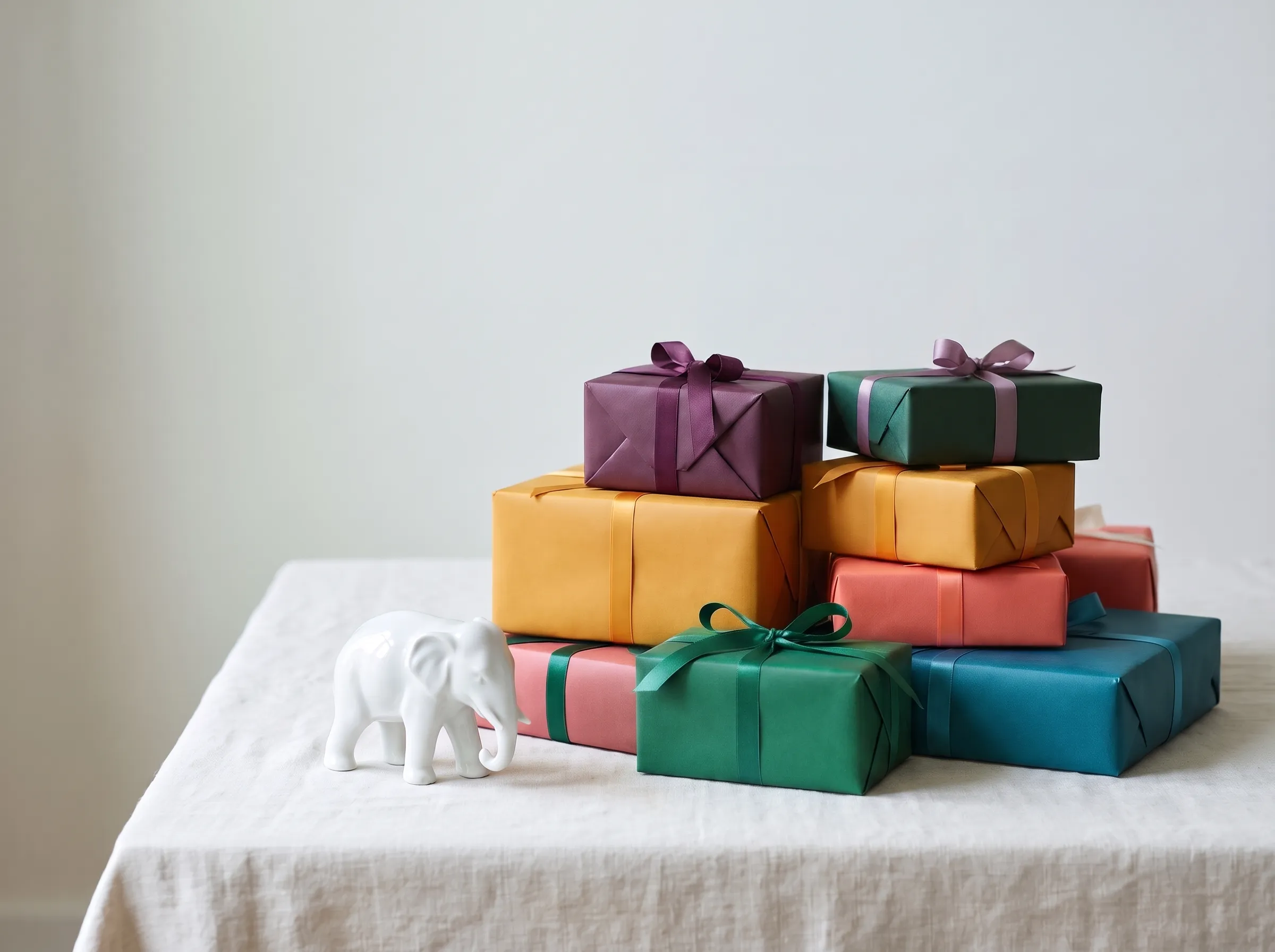
White Elephant Gift Exchange
A white elephant gift exchange is the one party where stealing a present is good manners. Everyone brings a wrapped gift, and on your turn you can open a new one or swipe one somebody else has opened. The oldest white elephant party we can find was a 1907 newspaper joke, and the husbands were the punchline.
What is a white elephant gift exchange?
A white elephant gift exchange is a holiday party game with one wrapped gift per guest, a price limit, and no loyalty whatsoever. The gifts go in a pile, and players take turns unwrapping one or stealing one that's already open, so the present you love on your turn may not be the one you take home.
Since you're not buying for anyone in particular, a gift can be almost anything. In some groups the goal is the silliest thing you can find, and in others it's something people will fight over. Ask before you shop. Nobody wants to be the one who brought a singing fish to the cashmere party.
Cross a few state lines and this game changes its name. In New England it's often a Yankee Swap, and in the South it's Dirty Santa. Its quieter cousin, Secret Santa, skips the pile: you draw one name and shop just for that person.
White elephant rules: how to play
There's no official rulebook, so your group is free to make the game its own. Here's how most people play, and if you're hosting, be sure to share any house rules before everyone shops:
- Agree on a price limit. Many groups pick $20 or $25, which goes further than you might think.
- Everyone adds one wrapped gift to the pile.
- Draw numbers to set the turn order, lowest to highest. A high number is lucky, because you'll have more gifts to choose from on your turn. You can find helpful printable number slips for free at The Handy Pages website.
- The first player unwraps a gift from the pile and shows it to the group.
- Every player after that has a choice: unwrap a new gift or steal one that's already open.
- If someone steals your gift, don't worry. You can unwrap a new one or steal from someone else. In many groups, you can't take back the gift you just lost.
- To keep the game from going all night, many hosts cap the steals, usually at two or three per gift.
- The game ends when every gift has been opened.
- Some groups then let the first player steal any gift, which is only fair, since no gifts were open on their turn.
Hosts who want more excitement can add dice, so a roll decides whether you unwrap, steal, or pass.
Why is it called a white elephant?
Everyone has owned one: the thing that cost a fortune, takes up space in the garage, and can't be sold or given away. English speakers have called that a white elephant for about three hundred years, and the name started with a real animal.
The real white elephants
White elephants aren't exactly white. They're rare, pale Asian elephants, and in Thai they're called chang pheuak, which literally means an albino or strange-colored elephant. In Siam (now Thailand) and the kingdoms around it, they were royal and sacred.
A king without one might go to war to get one. In 1563 the king of Pegu, in what is now Myanmar, demanded white elephants from the king of Siam, and when the answer was no, he invaded. It's still called the War over the White Elephants, and he went home with four.
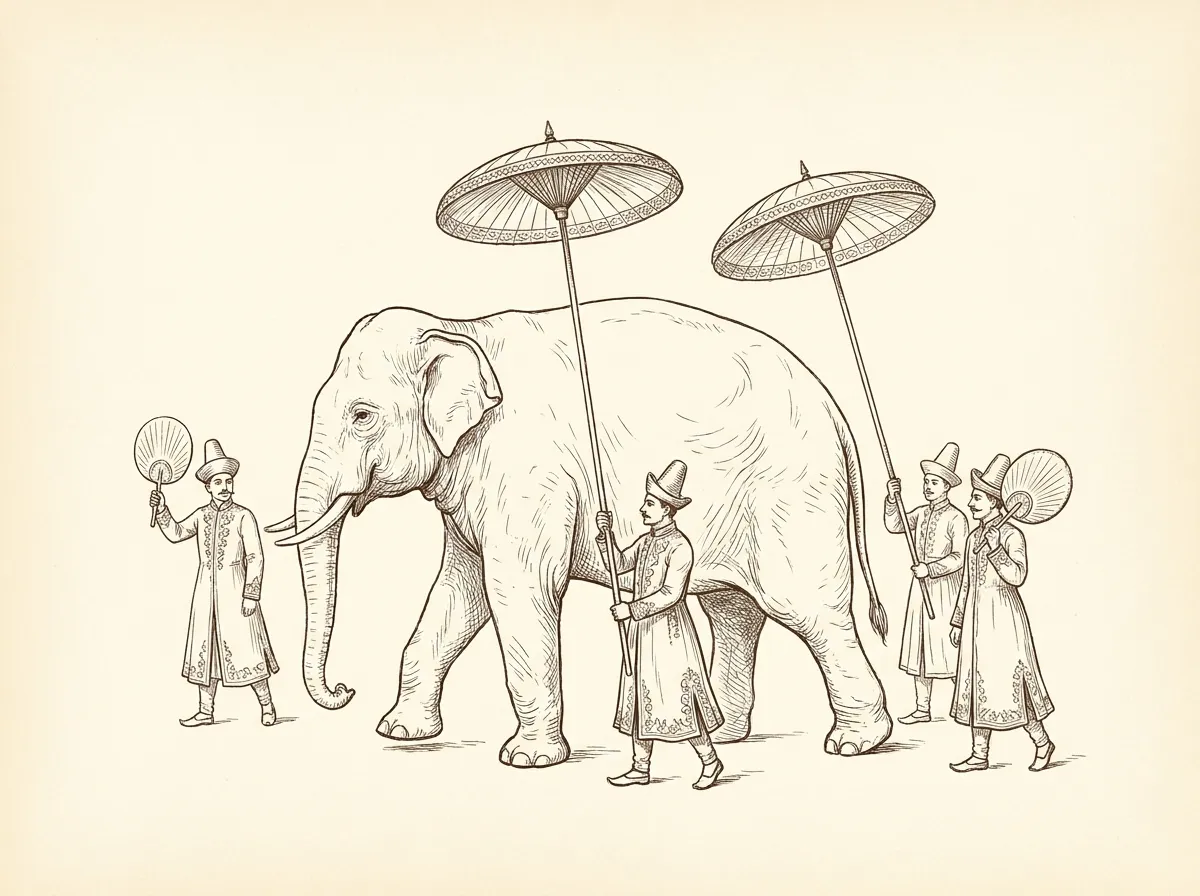
Being sacred came with perks. A 1721 English reference book says the King of Siam's elephant was "always served in gold Plate," while lords fanned him, shooed away the flies, and held umbrellas over him when he went out for a walk. Not a bad life for an elephant.
The version you've probably heard
According to folklore, the kings of Siam gave white elephants to courtiers they wanted to ruin. It's a great story, and as far as anyone can tell, it never happened.
Charles Dickens's magazine All the Year Round told it best: "When the King of Siam has an enemy among his lords whom he detests, but whom it would not be polite to destroy publicly... he sends him a white elephant." The poor lord couldn't shoot the animal, give it away, or put it to work. It needed a palace and a bodyguard, it could trample the crops, and it could drain the well for its morning bath. In the end, "the cost is so great that the receiver is ruined."
Dictionaries still repeat the legend, but the phrase was in use for more than a century before this story showed up. It doesn't fit Thai history, either. Owning a white elephant symbolized a king's virtue, so why would he hand one over as a punishment? As the scholar Ross Bullen puts it, "There is no recorded instance of this practice in Thai history."
How a prize became a burden
In 1721 a London writer named Thomas Gordon used the War over the White Elephants to show how much false honor can cost. In a newspaper series called Cato's Letters, he wrote that the king lost five hundred thousand of his own men to win one elephant. And with one line, a sacred animal became a figure of speech: "honour and victory are generally no more than white elephants." As far as we can tell, nobody had used the words that way before.
The phrase caught on, and by 1851 a white elephant was thought of as a burden you couldn't use and couldn't get rid of. The writer Geraldine Jewsbury complained to a friend about a man whose favors were wearing her out: "His services are like so many white elephants, of which nobody can make use, and yet that drain one's gratitude, if indeed one does not feel bankrupt." His name was left out when her letters were published, which was probably a kindness.
How a joke became a party
Before there were white elephant parties, there were swap parties. In May 1901, a church society in North Platte, Nebraska, advertised one alongside an ice cream social, and by 1904 a game book by Mrs. Burton Kingsland said they had "become very popular, alike with old and young."
Guests came with four or five little wrapped bundles and tried to talk someone else into taking them. As Kingsland put it, "the more absurd the funnier." Nobody opened a thing until all the swapping was done. Then the best bargain won first prize, and whoever got the worst one had to tell a story, sing, or recite for the group.
Then came the joke. On July 10, 1907, Nebraska's Columbus Journal told readers about a society woman in a nearby town who announced a "white elephant party," where every guest would bring something "she could not find any use for and yet too good to throw away." According to the paper, "nine out of the eleven woman [sic] invited brought their husbands."
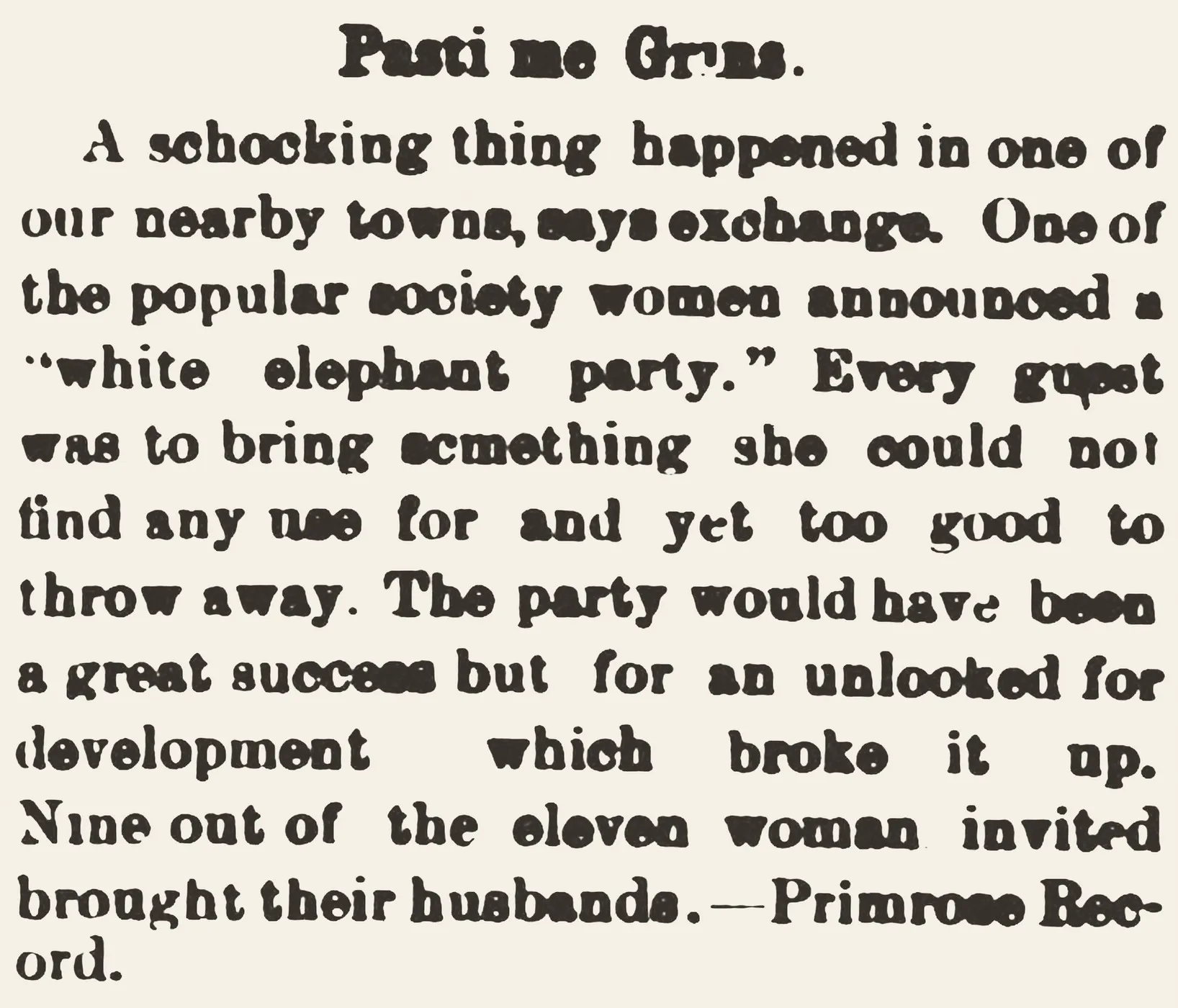
The joke traveled fast, and it grew along the way. Nine days later, Nebraska's Falls City Tribune had eleven of nineteen women bringing their husbands.
Within a year, the joke seems to have become a real party, and the white elephant exchange was born. In March 1908, the hostess columnist Madame Merri described one with invitations showing a big white elephant on a red background, and orders to bring something wrapped that you didn't want. One guest finally had her chance to get rid of "the terrible plated card receiver with the malicious little bird perched on the handle." Guests picked a parcel, opened it in a corner, and if they didn't like what they found, rewrapped it and tried again.
There was no stealing yet, but Madame Merri recognized the game. "I think this scheme has been tried before under the name of a 'swap' party," she wrote. "Whatever it is called it makes a lot of merriment."
"All of us have 'white elephants,'" she added. "This is a chance to afford them a mite of usefulness, for what is better than a good hearty laugh, with some one to laugh with you?"
Yankee Swap, Dirty Santa, and the game's other names
Gift exchanges go by a lot of names, and the big difference between them is whether you steal from a pile or draw one person's name.
| Name | Where you'll hear it | How it works |
|---|---|---|
| White elephant | Across the US | Open a gift or steal one |
| Yankee Swap | New England | Same game |
| Dirty Santa | The South | Same game |
| Pollyanna | Pennsylvania and nearby | Usually a name draw, sometimes a steal game |
| Secret Santa | US, UK, and beyond | Draw a name, buy in secret |
| Kris Kringle | Australia | Same as Secret Santa |
| Wichteln | Germany and Austria | Same as Secret Santa |
| Julklapp | Sweden | A gift tossed through the door |
Yankee Swap
"Yankee swap" meant sharp American bartering long before anyone wrapped a gift for a swap party. When Walt Whitman anonymously reviewed his own Leaves of Grass in 1855, he listed "the Yankee swap" among "the essences of American things." The name seems to have reached the party much later, after 1920.
Pollyanna
Pollyanna is the Pennsylvania name, and the best guess is that it comes from Eleanor H. Porter's 1913 novel, which would make it a perfect fit. Pollyanna hopes for a doll, but the missionary barrel brings her a pair of little crutches instead. That's how she and her father start the "glad game": finding something to be glad about, no matter what.
Secret Santa
In Secret Santa, everyone draws one name, keeps it quiet, and shops within the limit for that person. You can draw names with a free Secret Santa generator at The Handy Pages, which also has a questionnaire so people can leave hints before the shopping starts.
Wichteln and Kris Kringle
Two names for the Secret Santa draw have German roots. In Germany and Austria it's called Wichteln, after the Wichtel, a helpful little household spirit, which suits a game of doing someone a good turn in secret. Kris Kringle is an American form of the German Christkind, the Christ child who brings gifts at Christmas, and in Australia it's often the name for the draw itself.
Julklapp
Sweden's julklapp may be the most fun of all. Nordiska museet, Sweden's museum of cultural history, says the word comes from knocking on someone's door on Christmas Eve and throwing in "a piece of wood or a carved doll as a playful gift," along with a teasing Christmas rhyme. The Dutch have a similar custom for St. Nicholas Day: friends draw names, and every gift comes with a rhyming poem that gently teases whoever opens it.
Why a useless gift is funny
Most gifts are chosen to mean something. A white elephant party happily does the opposite, and the joke only works because everyone knows what a gift is supposed to do.
That's the beauty of it. Nobody expects the gift to fit, so the pressure is off, and the gift that misses by the most can be the hit of the night.
Giving a white elephant gift
First, check the price limit and find out what kind of night it is. For a true white elephant, we'd bring something gloriously silly. If the group plays for keeps, we'd pick something anyone would love to take home, because those are the gifts that get stolen. And for a Secret Santa, skip the gag and choose something just for the person whose name you drew.
The old swap parties leave us one good tip: wrap your gift so its shape gives nothing away.
White elephant gift ideas
As an Amazon Associate, we earn from qualifying purchases.
A nod to the name
- An elephant figurine plays the name straight, and it's funny to unwrap.
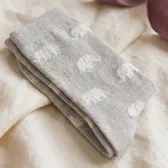
See elephant figurines on Amazon - Elephant socks are cheap, wearable, and on theme.
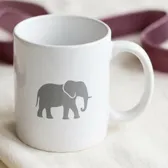
See elephant socks on Amazon - An elephant mug is the white elephant someone might really keep.
See elephant mugs on Amazon
Gloriously useless
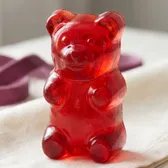
- A giant gummy bear is too big to ignore and too silly to refuse.
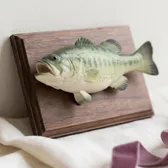
See giant gummy bears on Amazon - A singing fish plaque is a gag gift everyone at the party will hear about.
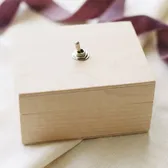
See singing fish plaques on Amazon - A useless invention is impressive, impractical, and hard to find a place for, which is what a white elephant was always supposed to be.
See useless inventions on Amazon
Worth stealing
- A soft throw blanket is the gift people quietly hope to take home.
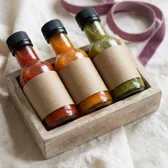
See soft throw blankets on Amazon - A hot sauce set is small to wrap and easy to fight over.
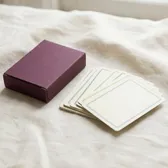
See hot sauce gift sets on Amazon - A party card game keeps the table going after the stealing ends.
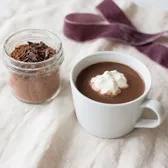
See party card games on Amazon - Fancy hot chocolate disappears fast and still feels like a real gift.
See gourmet hot chocolate gifts on Amazon

For a Secret Santa
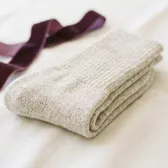
- Cozy socks suit a name draw when you know less about the person than you'd like.
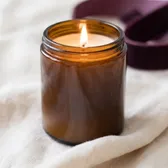
See cozy crew socks on Amazon - A scented candle is an easy choice under a low limit.
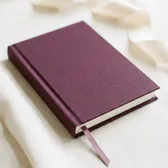
See scented candles on Amazon - A small hardcover book pairs well with a teasing rhyme, in the spirit of a Swedish julklapp.
See small hardcover gift books on Amazon
Sources
- The Columbus Journal (Columbus, Nebraska), July 10, 1907, page 1, Nebraska Newspapers
- Mrs. Burton Kingsland, The Book of Indoor and Outdoor Games, 1904
- The North Platte Semi-Weekly Tribune, May 10, 1901, Nebraska Newspapers
- The Falls City Tribune, July 19, 1907, Nebraska Newspapers
- Madame Merri, "White Elephant Party," The Columbus Journal, March 25, 1908, Nebraska Newspapers
- Thomas Gordon, Cato's Letters No. 57, "Of False Honour, Publick and Private," December 16, 1721, Liberty Fund edition
- Geraldine Jewsbury, Letter 116, July 23, 1851, in Selections from the Letters of Geraldine Endsor Jewsbury to Jane Welsh Carlyle, 1892
- "White Elephants," All the Year Round, January 31, 1863, Dickens Journals Online
- Ross Bullen, "The White Fraud: White Elephants, Siam, and Comparative Racialization," Journal of American Studies, quoting Rita Ringis, Elephants of Thailand in Myth, Art, and Reality, 1996
- Nordiska museet, Christmas traditions
- Dave Wilton, "white elephant," Wordorigins.org, April 22, 2022
- Pascal Tréguer, "the mistaken origin of 'white elephant' in the Oxford English Dictionary," Wordhistories.net, December 14, 2017
- Peter Jensen Brown, "Two-and-a-half Idioms - the History and Etymology of 'White Elephants,'" and "Two-and-a-half More Idioms - 'White Elephants' and Yankee Swaps," Early Sports and Pop Culture History Blog, June 2014
- Hannah McDonald, "What's the Origin of White Elephant Parties?," Mental Floss, November 29, 2019
- Online Etymology Dictionary, "white elephant"
- W. A. R. Wood, A History of Siam, 1924
- G. E. Harvey, History of Burma, 1925
- Arthur P. Phayre, History of Burma, 1883
- Jeremy Collier, An Appendix to the Three English Volumes in Folio of Morery's Great Historical, Geographical, Genealogical and Poetical Dictionary, 1721
- Walt Whitman, "Walt Whitman and His Poems," The United States Review, September 1855, reprinted in In Re Walt Whitman, 1893
- Wikipedia, "Burmese-Siamese War (1563-1564)"
- Michael Quinion, World Wide Words, "Pollyanna"
- Eleanor H. Porter, Pollyanna, 1913, Project Gutenberg
- DWDS (Digital Dictionary of the German Language), "wichteln" and "Wichtel"
- SecretSanta.com, "White Elephant Gift Exchange Rules"